
Tanzania Unveils TZS 1.8 Trillion Health Budget to Strengthen Healthcare and Local Pharmaceutical Manufacturing
The Government of Tanzania has approved a TZS 1.8 trillion budget for the Ministry of Health for the 2026/27 financial year, signalling continued investment in healthcare infrastructure, pharmaceutical manufacturing and health financing reforms.
Approximately 64% of the allocation has been directed towards development projects, reflecting the Government's focus on expanding specialised healthcare services while strengthening long-term health system capacity.
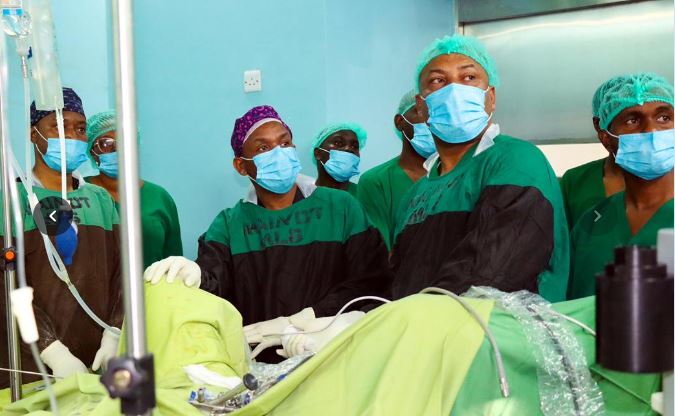
Among the flagship initiatives is the planned development of a new TZS 1.2 trillion Muhimbili National Hospital, alongside continued implementation of Universal Health Insurance reforms and policies aimed at increasing domestic production of medicines and medical supplies.
The Government has also maintained its objective of achieving 80% local self-sufficiency in health products by 2030, reducing dependence on imported pharmaceuticals while supporting growth of Tanzania's health manufacturing industry.
ADFAX Analysis
Healthcare is increasingly becoming an economic growth sector.
Investment in hospitals, pharmaceutical production, medical equipment and health technology creates opportunities extending well beyond clinical services.
A stronger domestic pharmaceutical industry has the potential to improve medicine availability, create skilled employment and reduce import costs while positioning Tanzania as a regional supplier of selected medical products.
Expansion of specialised healthcare facilities also strengthens confidence among citizens, investors and development partners while improving access to advanced medical services within the country.
Business & Investment Outlook
The health sector continues to create investment opportunities across:
Pharmaceutical manufacturing.
Medical equipment supply.
Private healthcare facilities.
Health insurance.
Laboratory services.
Medical logistics.
Telemedicine.
Health technology.
Hospital infrastructure.
Healthcare workforce training.
Growing demand for quality healthcare services is expected to encourage further private investment while supporting innovation across Tanzania's healthcare ecosystem.
📊 ADFAX Business Insight
Opportunity
Government investment in healthcare infrastructure and pharmaceutical manufacturing creates new opportunities for investors across healthcare services, medical technology and life sciences.
Risk
Large-scale health projects require sustained financing, skilled personnel and efficient supply chains to achieve long-term success.
Outlook
If current reforms continue, Tanzania's healthcare sector could become one of East Africa's fastest-growing markets for healthcare infrastructure, pharmaceutical production and medical innovation.
Conclusion
The 2026/27 Health Budget demonstrates Tanzania's commitment to building a stronger and more resilient healthcare system.
For businesses and investors, the sector offers opportunities that extend beyond hospitals into pharmaceuticals, medical technology, insurance and healthcare infrastructure.
As healthcare demand continues to grow, the sector is expected to play an increasingly important role in both national development and private sector investment.