Tanzania Investment Bank (TIB) is seeking stronger collaboration with development finance institutions across the Southern African Development Community to mobilise capital for Tanzania’s industrial transformation.
The initiative aims to support large-scale development projects aligned with Tanzania’s Development Vision 2050, which targets the expansion of the national economy to $1 trillion by 2050.
Speaking during the ninth SADC Industrialisation Week in Durban, TIB chief executive officer Deogratius Kwiyukwa emphasised the need for regional financial institutions to combine resources and finance strategic industrial projects.
Connecting Infrastructure With Production
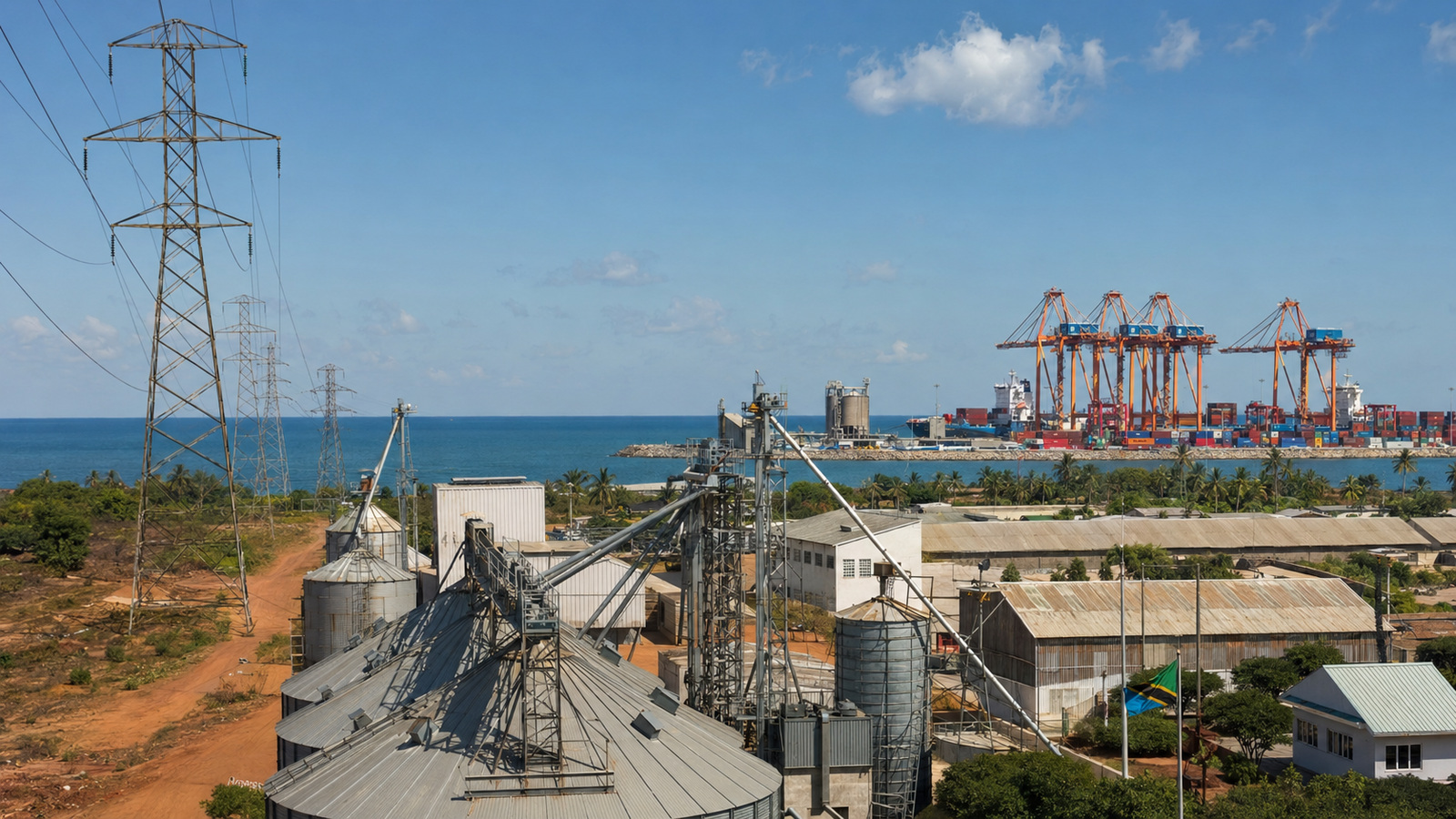
Tanzania has already invested substantially in strategic infrastructure, including the Standard Gauge Railway, ports, roads and energy systems.
The next challenge is ensuring that these investments directly stimulate industrial production, value addition and exports.
Connecting transport and energy infrastructure with special economic zones, mining areas, agricultural production centres and regional markets could strengthen Tanzania’s industrial base and improve the competitiveness of locally produced goods.
This approach would allow infrastructure to serve as the foundation for complete industrial ecosystems rather than operate as isolated development projects.
Financing Industrial Ecosystems
Regional development finance institutions could support industries located along the SGR corridor, logistics and warehousing facilities linked to ports, and energy-intensive manufacturing operations supported by reliable electricity.
Potential financing opportunities extend across:
Mineral processing and value addition
Agricultural processing
Energy-intensive manufacturing
Industrial and special economic zones
Logistics and warehousing
Transport-linked industries
Export-oriented production
TIB has previously provided financing to industries and public-sector projects, including coffee and sugar processing facilities and water infrastructure.
Additional capitalisation and regional cooperation could enable the bank to expand its development-financing role.
Value Addition Remains Central
Industrialisation discussions across the SADC region have increasingly focused on processing minerals and agricultural products before export.
For Tanzania, value addition could create more employment, retain greater economic value locally and reduce dependence on exporting unprocessed raw materials.
The country’s mining, agriculture and energy resources provide a strong foundation, but transforming them into industrial growth will require long-term capital, reliable infrastructure, technology and coordinated policy implementation.
An Investment Opportunity
Greater collaboration between TIB and regional development finance institutions could help reduce the financing gap facing major industrial projects.
It may also open opportunities for private investors, contractors, technology providers, logistics companies and manufacturers seeking to participate in Tanzania’s long-term industrial development.
The success of this strategy will depend on whether infrastructure, financing and productive sectors can be integrated into commercially sustainable projects.
Tanzania’s strategic assets are already taking shape. The next phase is ensuring that they generate industries, exports and quality employment required to support Vision 2050.
Source note: Based on information reported by The Citizen.