Tanzania Targets 32% Growth in Cash Crop Production Under 2026/27 Agriculture Strategy
Tanzania has announced ambitious plans to accelerate agricultural growth through its 2026/27 strategy, setting a target to increase traditional cash crop production by more than 32 percent while expanding support for commercial farming and export-oriented agriculture. The announcement reflects the Government's continued focus on agriculture as one of the country's key drivers of economic growth and employment.
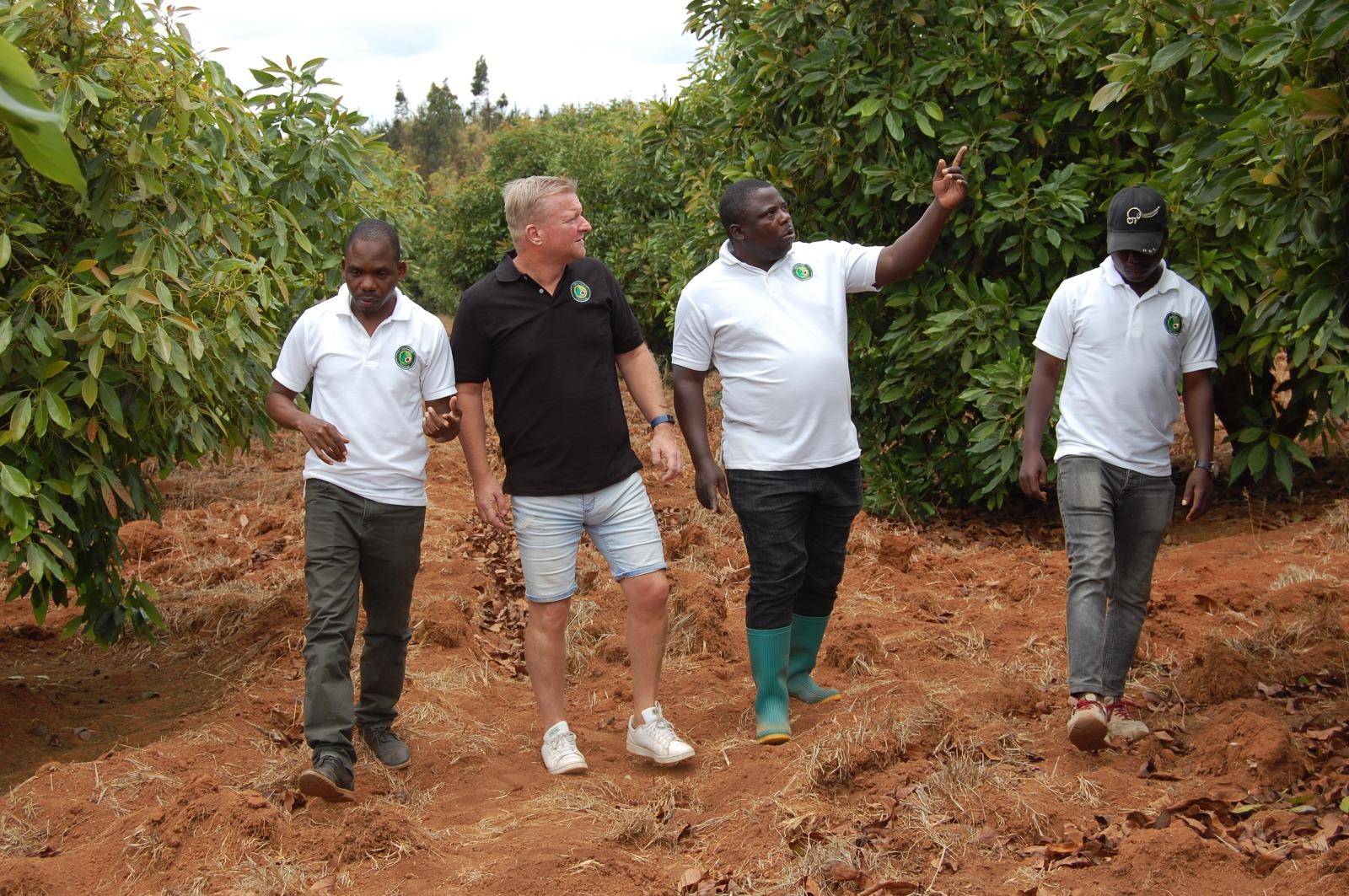
According to the Ministry of Agriculture, the strategy aims to increase production across major cash crops while strengthening agricultural extension services, improving access to quality planting materials and supporting value chain development. The Government is also prioritising avocado production, with higher export targets supported by farmer training, distribution of improved seedlings and the development of additional collection centres.
Agriculture remains one of Tanzania's largest economic sectors, contributing nearly one-quarter of the country's Gross Domestic Product and providing livelihoods for millions of Tanzanians. Continued investment in modern farming practices and commercial agriculture is expected to strengthen both domestic food security and export earnings.
ADFAX Analysis
The significance of this strategy extends beyond production targets.
It signals a continued transition from subsistence agriculture towards a more commercial and investment-driven agricultural economy.
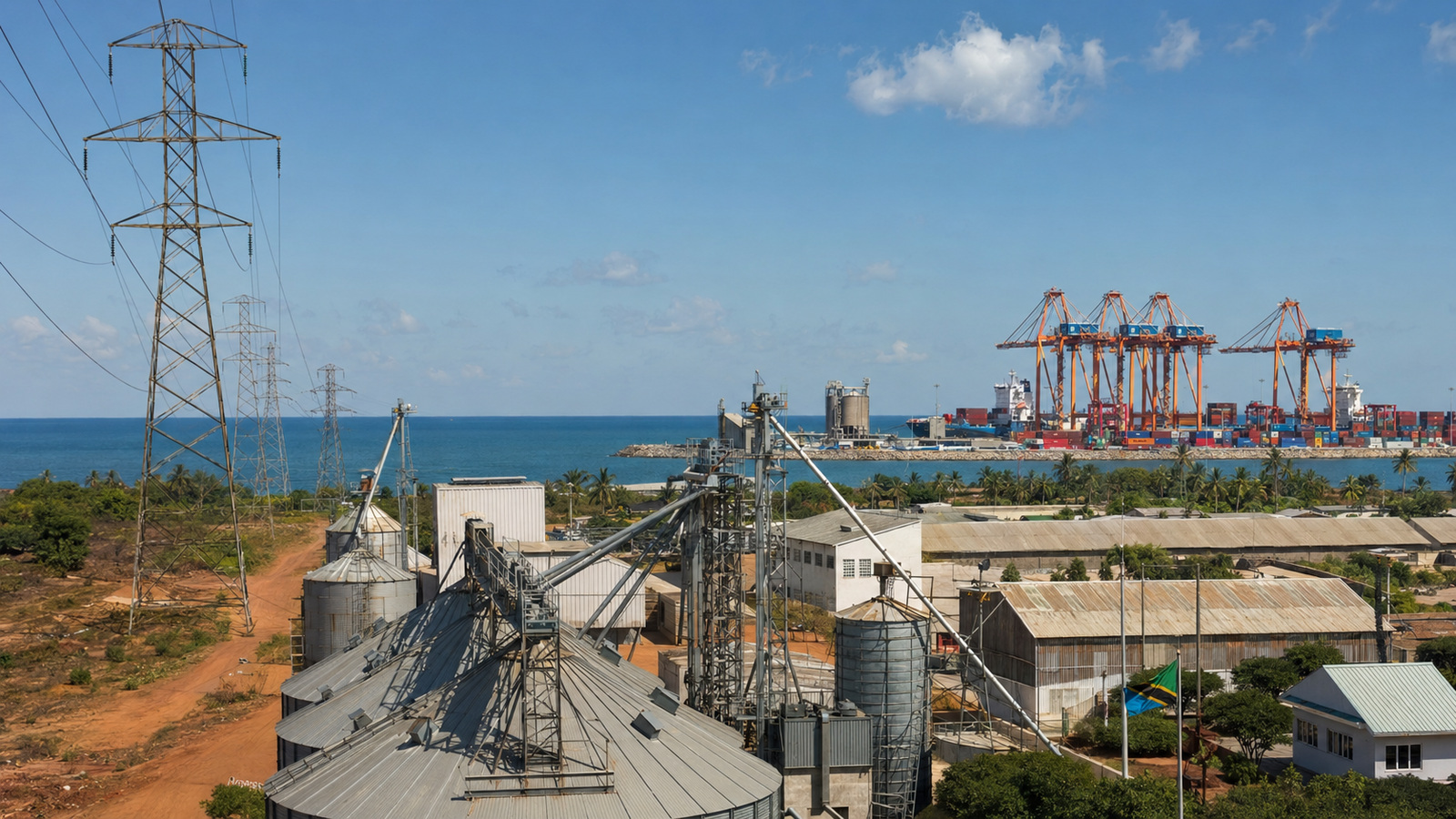
Increasing production alone will not transform the sector unless it is supported by efficient logistics, modern storage facilities, agro-processing industries, digital agricultural services and stronger market access. These complementary investments create opportunities for financial institutions, agribusiness companies, technology providers and private investors.
The planned operational launch of the National Agricultural Extension Services Agency (NAESA) also has the potential to improve knowledge transfer between researchers, extension officers and farmers, helping to increase productivity and improve the adoption of modern agricultural technologies.
Business & Investment Outlook
The Government's agricultural priorities are expected to create opportunities in several areas, including:
Commercial farming.
Irrigation development.
Seed production and distribution.
Fertiliser and agricultural inputs.
Agro-processing industries.
Cold-chain logistics.
Agricultural technology solutions.
Export-oriented horticulture, including avocados.
As private sector participation continues to increase, agriculture is expected to remain one of Tanzania's most attractive long-term investment sectors.
Conclusion
Tanzania's 2026/27 agricultural strategy demonstrates a clear commitment to increasing productivity, strengthening export competitiveness and encouraging private investment across agricultural value chains.
If implementation remains consistent, the strategy has the potential to improve farmer incomes, expand agribusiness opportunities and reinforce agriculture's role as a pillar of Tanzania's economic development.