
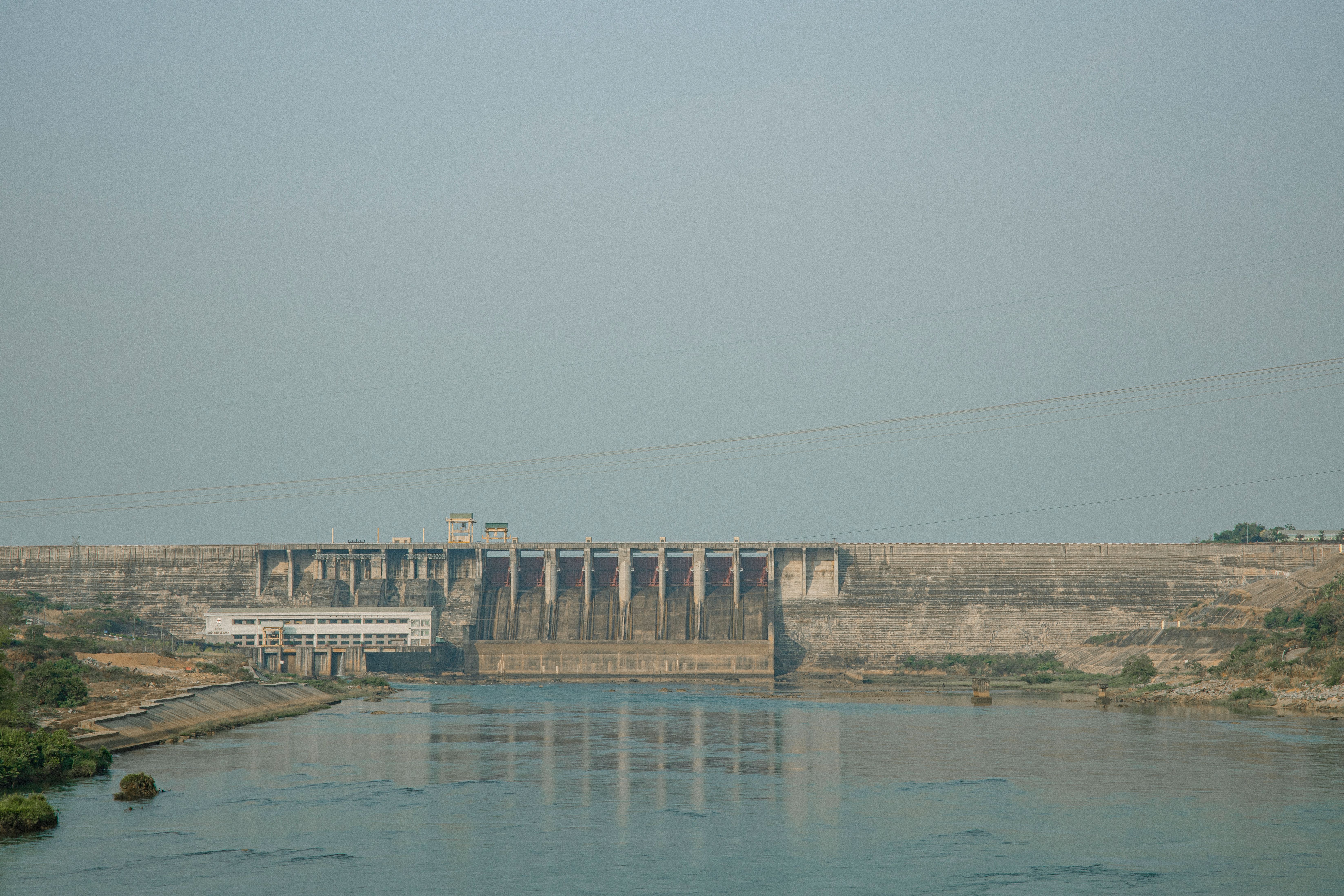
Powering Industrial Growth: How Energy Infrastructure Is Transforming Tanzania's Economy
No modern economy can achieve sustainable industrial growth without reliable and affordable energy.
As Tanzania continues implementing its long-term development agenda, electricity generation, transmission infrastructure and natural gas development have become central pillars supporting manufacturing, mining, agriculture, transport and digital transformation.
Recent Government investments demonstrate a growing commitment to ensuring that energy infrastructure keeps pace with increasing economic activity. Expansion of the national electricity grid, construction of new substations, rural electrification programmes and strategic gas projects are expected to improve energy reliability while supporting private investment across multiple sectors.
For businesses, access to stable electricity is more than an operational requirement.
It directly influences production costs, productivity, investment decisions and international competitiveness.
Manufacturing industries require uninterrupted power to maximise production efficiency. Mining companies depend on reliable electricity for extraction and processing. Agricultural processors rely on energy for storage, refrigeration and value addition.
As industrial demand continues to grow, energy infrastructure is becoming one of Tanzania's most valuable economic assets.
ADFAX Analysis
Countries that invest consistently in energy infrastructure tend to attract higher levels of industrial investment.
Reliable electricity reduces business risk, encourages factory development and supports innovation across the wider economy.
For Tanzania, continued investment in generation capacity, transmission networks and natural gas infrastructure creates opportunities extending well beyond the energy sector itself.
Engineering firms, equipment suppliers, renewable energy developers, financial institutions, construction companies and technology providers all benefit from increased infrastructure investment.
The multiplier effect of energy investment is therefore significant, influencing productivity across nearly every major economic sector.
Business & Investment Outlook
Several investment opportunities continue to emerge as Tanzania expands its energy ecosystem.
Renewable energy projects.
Industrial power infrastructure.
Smart grid technologies.
Power transmission engineering.
Energy storage systems.
Industrial parks.
Gas processing infrastructure.
EPC contracting services.
Energy consulting.
Digital energy management solutions.
As electricity demand increases alongside industrial growth, private sector participation is expected to play an increasingly important role in financing and delivering future energy projects.
📊 ADFAX Business Insight
Opportunity
Growing electricity demand is creating long-term investment opportunities across infrastructure development, engineering, renewable energy and industrial services.
Risk
Large infrastructure projects require sustained financing, regulatory consistency and efficient project execution to maximise economic returns.
Outlook
If current investments continue, Tanzania's expanding energy infrastructure will strengthen the country's competitiveness as a regional manufacturing and investment destination.
Conclusion
Energy has become one of the strongest foundations for Tanzania's economic transformation.
Continued investment in reliable electricity and modern infrastructure is expected to improve industrial productivity, strengthen investor confidence and support sustainable economic growth across multiple sectors.
For businesses evaluating long-term opportunities in East Africa, Tanzania's energy sector represents more than infrastructure development—it represents a platform for future industrial expansion.