From Extraction to Value Addition: How Tanzania's 2026/27 Mining Strategy Is Reshaping Investment Opportunities
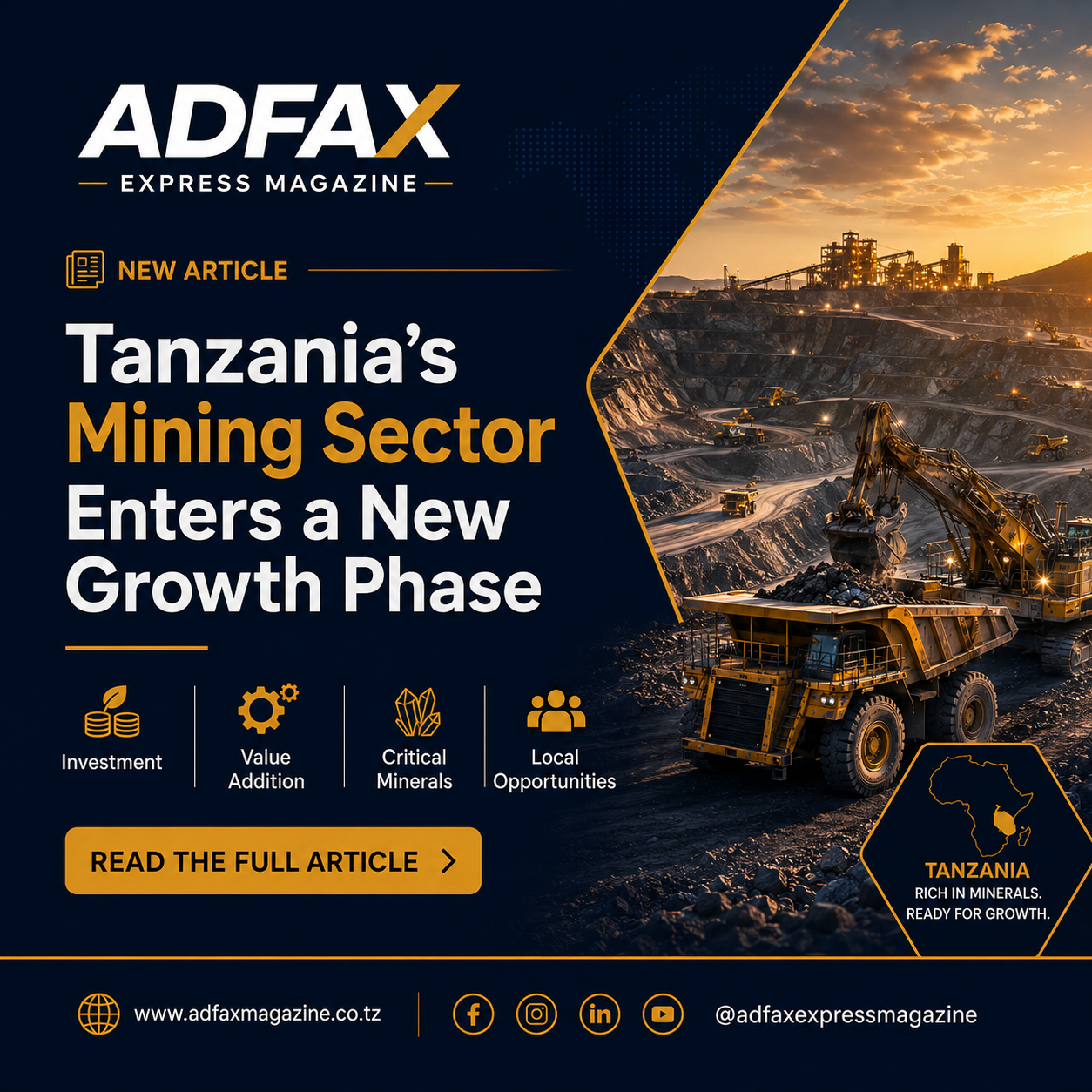
For many years, Tanzania's mining industry has been recognised for its abundant mineral wealth, supplying global markets with gold, tanzanite, diamonds and a growing portfolio of strategic minerals. While exports have remained an important source of foreign exchange, policymakers are now pursuing a broader objective—ensuring that a greater share of mineral value is created within the country rather than through the export of raw materials alone.
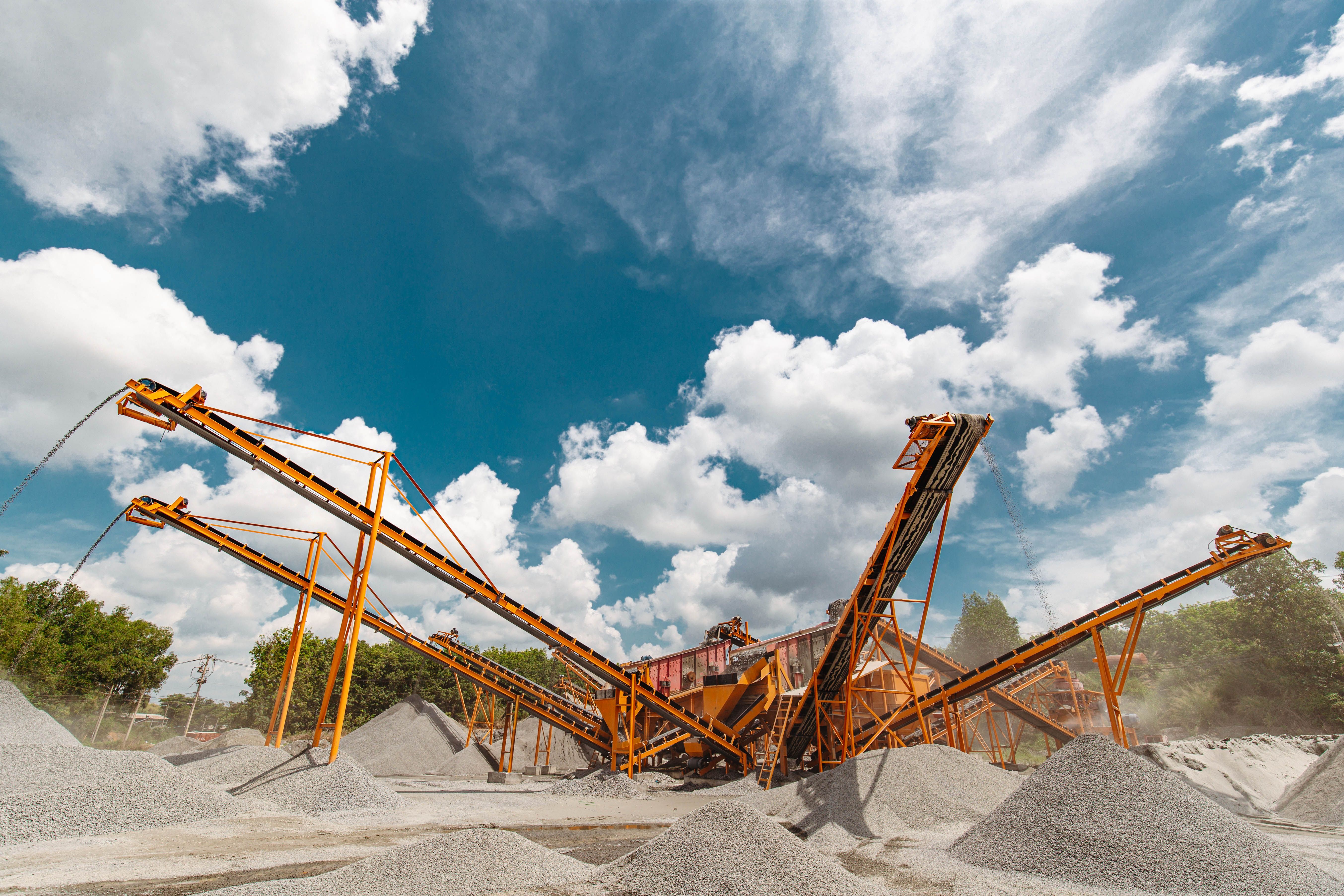
The Government's 2026/27 mining strategy reflects this transition by placing stronger emphasis on mineral processing, refining and value addition. The approach aims to encourage investment in downstream industries capable of transforming raw minerals into higher-value products before they reach international markets. This strategy is expected to strengthen industrial development while creating additional employment opportunities and increasing export earnings.
The policy direction is particularly significant as global demand continues to increase for critical minerals used in electric vehicles, renewable energy systems and advanced manufacturing technologies. Tanzania possesses several of these strategic minerals, placing the country in a favourable position to attract investors seeking long-term opportunities across exploration, processing and industrial manufacturing.
ADFAX Analysis
Moving from extraction to value addition represents one of the most important structural changes within Tanzania's mining industry.
Instead of measuring success only by mineral production volumes, the focus is increasingly shifting towards industrial capacity, technology transfer, skilled employment and domestic manufacturing.
For investors, this creates opportunities beyond traditional mining operations. Companies specialising in mineral processing equipment, engineering services, logistics, laboratory testing, industrial infrastructure and renewable energy solutions may all benefit as Tanzania expands its downstream mining ecosystem.
Financial institutions may also identify new financing opportunities as mining projects become increasingly integrated with industrial processing facilities and export-oriented manufacturing.
Business Outlook
If implementation continues as planned, Tanzania's mining sector could experience increased private investment across multiple stages of the mineral value chain.
Greater investment in local processing has the potential to strengthen industrial competitiveness, increase export value, support technology adoption and create additional employment while reducing dependence on raw mineral exports.
The success of this strategy will depend on continued policy consistency, infrastructure development, investor confidence and collaboration between Government and the private sector.
Conclusion
Tanzania's mining sector is entering a new phase where value addition is becoming as important as mineral extraction itself.
For businesses and investors, this transformation presents opportunities extending beyond mining into manufacturing, engineering, logistics, financial services and industrial innovation.
As these reforms continue, Tanzania is positioning itself not only as a producer of mineral resources but also as a growing regional hub for mineral processing and value-added industries.